

 Facebook
 X
X
 Pinterest
 Copy Link
The Driftwood Journey
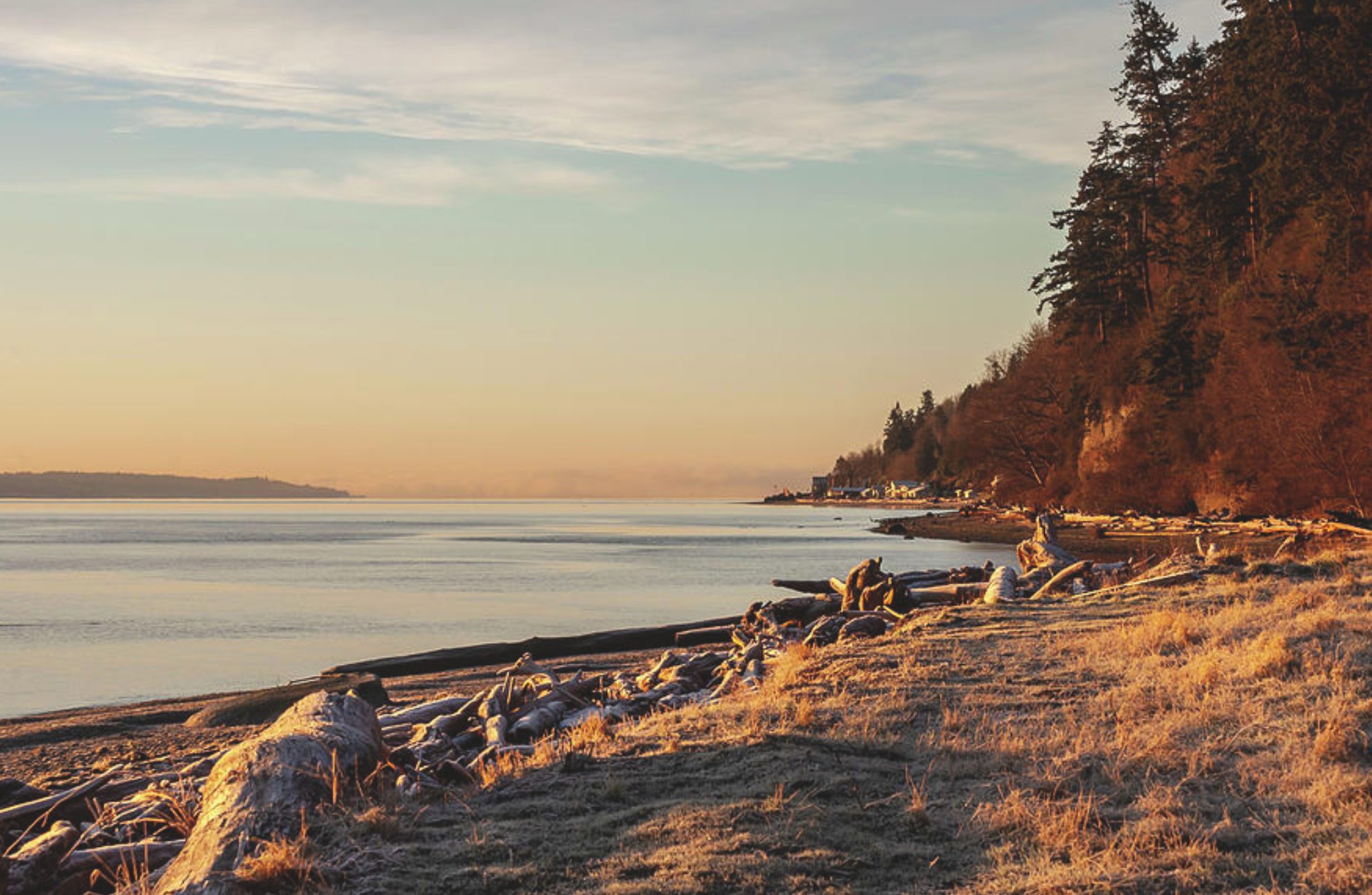
Have you ever wondered how driftwood ends up lining the beaches of Whidbey Island? If so, keep reading to discover the driftwood journey.
The driftwood Journey
Driftwood embarks on an intriguing journey to Whidbey Island. It originates in the lush Pacific Northwest mountains, where rainwater and snowmelt begin their journey downstream. These waters meander through dense forests, carrying branches and logs along the way. As they merge into larger rivers and flow into the Puget Sound, they slow down in estuaries and deltas, allowing the driftwood to gather. Then, the moon’s gravitational pull influences tides and currents, guiding this wood towards the shore. With each tidal cycle, the driftwood is deposited on the beaches, becoming a symbol of nature’s force and a canvas for the island’s inhabitants and visitors. These pieces shape the coastline and offer endless inspiration to creative minds, integrating seamlessly into the island’s landscape.
If this piques your interest, learn more about driftwood by reading: Driftwood that lines the beaches of Whidbey here.
Photo taken by: Tom Trimbath
Check out the rest of Whidbey’s beautiful destinations from this series here.

Traffic Comes in Waves
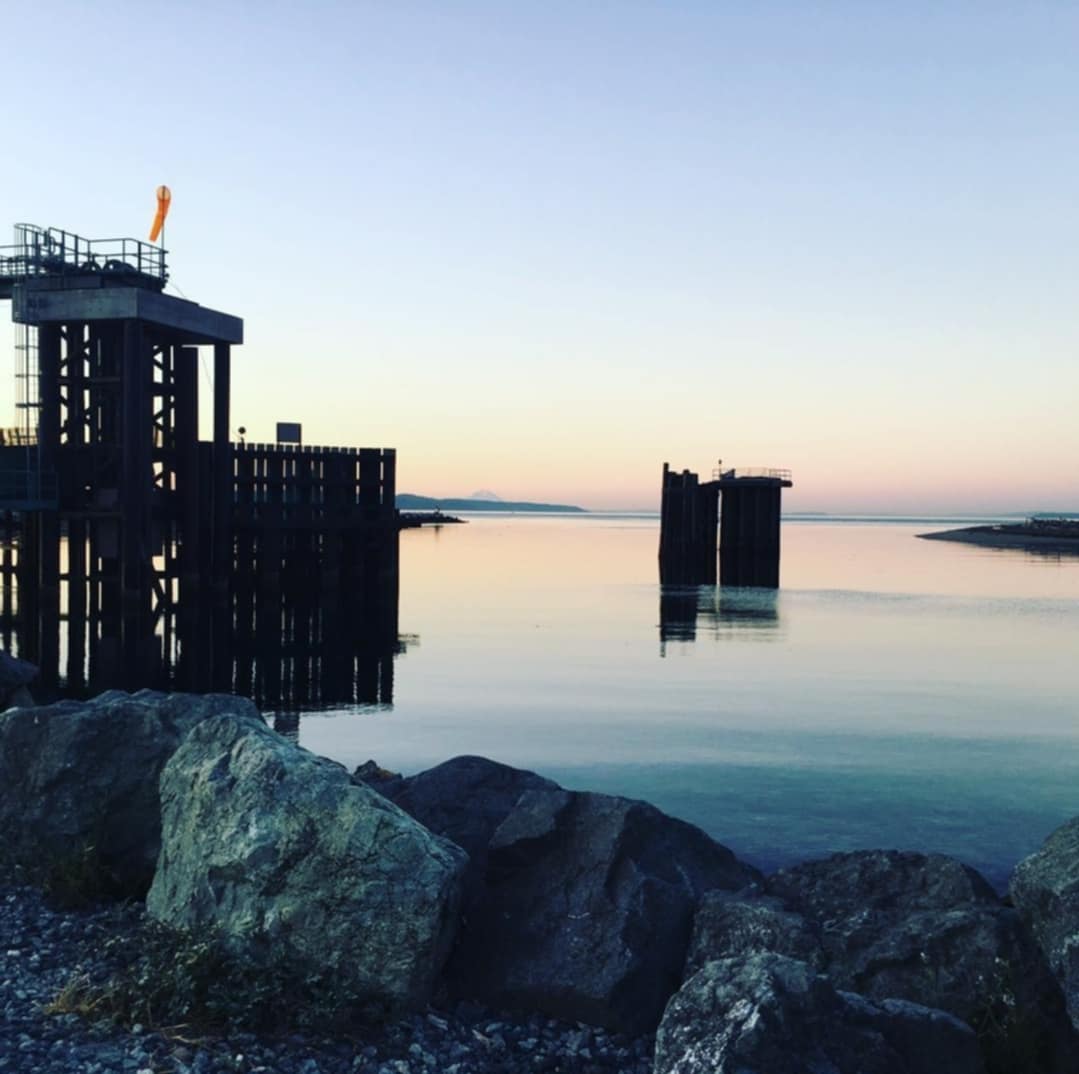
Traffic Comes in Waves: Navigating Coupeville’s Ferry Flow
If you have spent any amount of time in Coupeville, it is likely you have experienced a unique traffic pattern. There are periods of quiet, followed by sudden surges of cars flooding the streets. This phenomenon is affectionately referred to as “traffic coming in waves,” and it’s all thanks to the rhythm of the Coupeville-Port Townsend ferry.
The Ferry Effect
The Coupeville Ferry Terminal is one of the main gateways to and from Whidbey Island. The ferry connects visitors and residents to Port Townsend. Multiple ferry crossings occur every day making traffic volume on Coupeville’s streets feel like ebbs and flows, much like the tide.
When a ferry docks, you see a rush of cars making their way off the boat. Whether their destination is scenic Deception Pass, a cozy bed and breakfast, or a stop for lunch in downtown Coupeville varies, but for locals, this predictable wave of cars has become a familiar part of life.
Timing Your Trips
If you live in Coupeville, or are planning a day of errands it is helpful to know and consider the ferry schedule. Typically, you will notice heavier traffic around the times a ferry arrives—especially during peak travel seasons in summer or on holiday weekends.
To avoid getting caught in the wave, consider planning your trips during the lull between ferry arrivals. The good news is, after the initial rush of cars from the ferry, Coupeville’s streets quickly settle back into their usual peaceful pace.
A Silver Lining for Local Businesses
For local businesses, these waves of traffic are often a welcomed sight. Shops, cafes, and restaurants see a noticeable boost in customers when a ferry unloads, as visitors often make Coupeville their first stop after arriving on the island. Whether it’s someone grabbing an ice cream cone from Kapaw’s or browsing the shelves of Kingfisher Bookstore, these waves of visitors contribute to the vibrant local economy.
Embracing the Flow
Rather than seeing the ferry traffic as a disruption, many locals have come to appreciate it as part of Coupeville’s charm. It’s a reminder of how connected the island is to the greater region and how many people travel just to experience the magic of Whidbey Island.
So next time you see a wave of cars rolling through Coupeville, take a deep breath and remember—it’s just another tide rolling in, bringing a fresh flow of visitors eager to experience the beauty and hospitality of Whidbey Island.
And if you’re a visitor reading this—slow down, take your time, and enjoy Coupeville. The ferry might run on a schedule, but island time always moves a little slower. If Island life seems more your style, consider staying a while. Connect with us, your dream home is just around the corner.
