

 Facebook
 X
 Pinterest
 Copy Link
THE COUPEVILLE FERRY
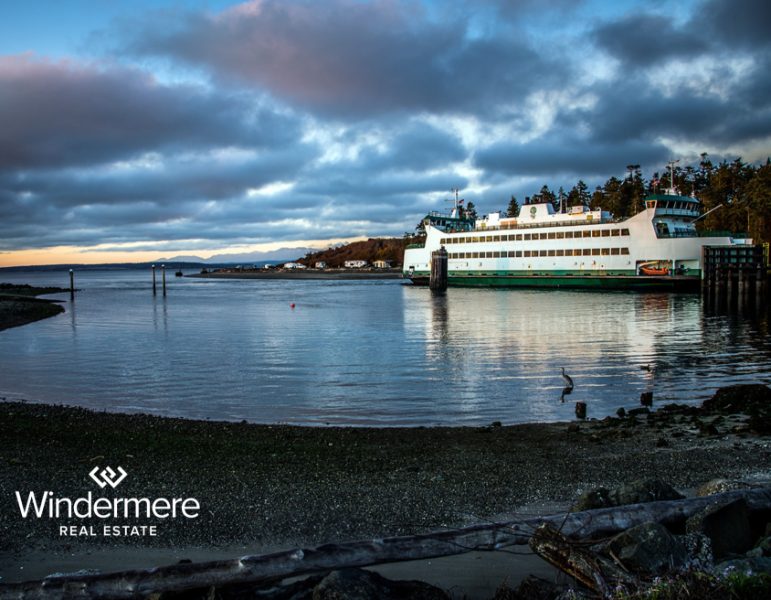
Maybe it’s the salty air drifting across the deck, the cry of seagulls overhead, or the moment Whidbey Island begins to slip quietly behind you but there’s definitely something magical leaving Whidbey by the Coupeville ferry… For just a few minutes, the crossing feels less like transportation and more like passing through an invisible threshold where your stepping into another chapter of Washington’s maritime story.
The History of the Coupeville Ferry
The route across Admiralty Inlet has been connecting communities for more than a century. In the early 1900s, long before today’s modern vessels, privately operated boats carried passengers between the shores, but people weren’t the only cargo. These small ferries hauled mail, groceries, farm goods, livestock, and plenty more necessities for living on an island. Crossing the water was simply part of getting business done.
Modern Day
Today, the Coupeville ferry continues that tradition, linking Whidbey Island with Port Townsend and the Olympic Peninsula. The boats are bigger, the schedules more organized, and the journey considerably more comfortable but the landscape remains wonderfully familiar and the views are timeless.
Distinctly Pacific Northwest
As the ferry moves into the open water, the Salish Sea takes center stage. Watch the shoreline recede as bald eagles circle overhead, seals surface near the boat, and seabirds skim the waves. On a clear day, the Olympic Mountains rise in the distance, turning an ordinary commute into something distinctly Pacific Northwest.
The real charm of the crossing is how much of the past still lingers beneath the modern experience. The shoreline, the working waterfront, and the surrounding waters have witnessed generations of island life. Somewhere beneath the sound of the engines and the rush of the wind is the memory of those earlier crossings, back when getting from one shore to the other meant a small boat, a little patience, and a good eye on the weather.
Don’t Take it for Granted
You’re not simply crossing Admiralty Inlet; you’re travelling on a route that has been part of Washington life for more than 100 years and making a little history of your own along the way.
So, when you board the Coupeville ferry, take a moment before reaching for your phone or heading inside. Go out and stand on deck, feel the wind, look toward the mountains, and just enjoy all that Whidbey Island and the Salish Sea have to offer.
And when Whidbey’s spell worked its magic on you and you find yourself wanting to stay forever, connect with us and we’ll help you find your forever home.
Photograph by:@cynthiawoernerphotography
Ferry Views

Most people think about coming TO Whidbey Island but when you live here and need to leave the island the same options are open to you. Take a ferry or the bridge. When traveling by ferry you will be graced with stunning views of the incredible snowcapped mountain ranges surrounding our gorgeous little island. Travelers from afar visit Whidbey to stay in places like the magical Captain Whidbey Inn in Coupeville for a winter wonder getaway. Whidbey residents, however, catch the early ferry to head to one of several nearby ski resorts to carve it up on the slopes.
Photographer: Randy Heiserman
For more stunning images of Whidbey Island: Click Here.

View this post on Instagram
Island Transit on Whidbey Island
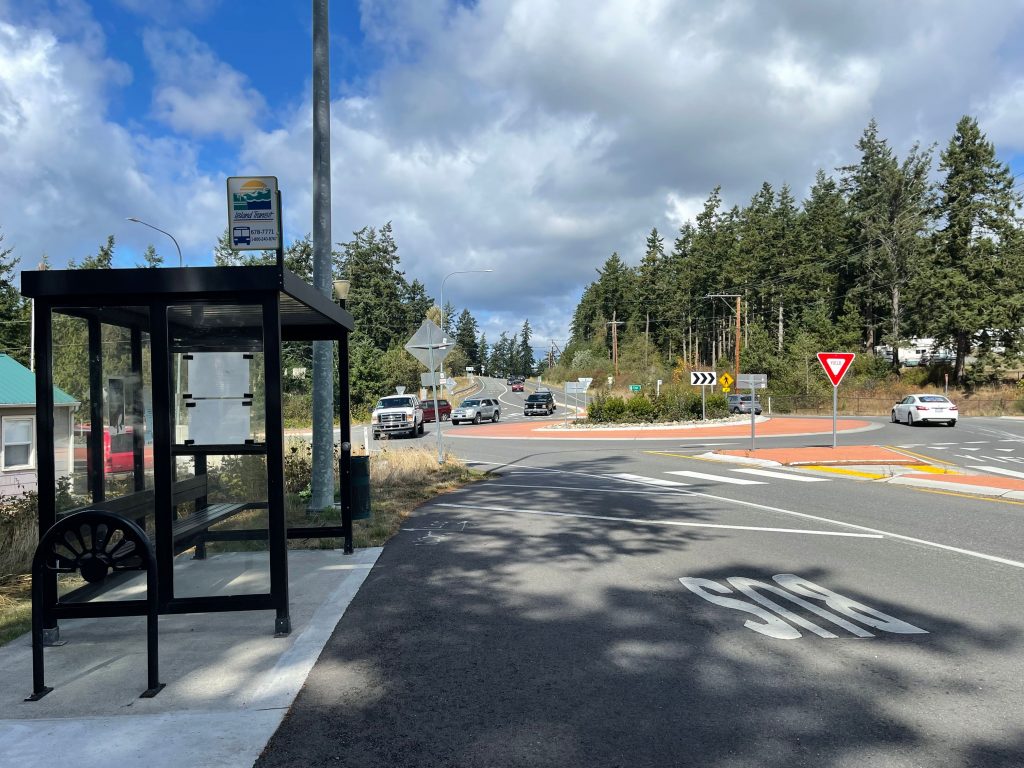
Island Transit is the public transportation system serving Whidbey Island, located in the Puget Sound region of Washington state. The system consists of fixed-route buses and paratransit vans, as well as additional programs such as vanpools and bike locker rentals.
Island Transit began on December 1, 1987 as a response to the increasing traffic congestion and lack of transportation options on Whidbey Island. Today, the system serves a population of approximately 73,000 people, covering a service area of approximately 400 square miles. The buses pick up passengers from bus stops like the Northgate Terrace bus stop pictured above throughout all of Whidbey Island.
In addition to its fixed-route buses, Island Transit also operates a paratransit service for individuals with disabilities who are unable to use the fixed-route buses. The paratransit vans offer door-to-door service and can be reserved by calling Island Transit in advance.
Island Transit’s vanpool program is a convenient and cost-effective alternative for commuters who travel long distances or have irregular work schedules. Participants in the program share the cost of gas and vehicle maintenance and can save money on the cost of driving alone.
The bike locker rental program allows riders to securely store their bike at a convenient location and use it to complete the first or last leg of their commute. The lockers are located at select bus stops and can be rented on a monthly basis (check out prices and apply here) in addition to public use lockers that are on a first come first served basis.
In recent years, Island Transit has made efforts to increase sustainability and reduce its environmental impact. Learn more about their initiatives here. As a result, hybrid buses have been added to its fleet all while keeping Island Transit buses fare-free.
Overall, Island Transit plays a vital role in the transportation needs of the residents and visitors of Whidbey Island. The convenient and reliable services, as well as its vanpool and bike locker rental programs, make it a valuable asset to the community.
If you have further questions or are interested in learning more about living on Whidbey Island please do not hesitate to connect with us. Contact us here.
View this post on Instagram
