

 Facebook
 X
X
 Pinterest
 Copy Link
This isn’t your average scenic stop
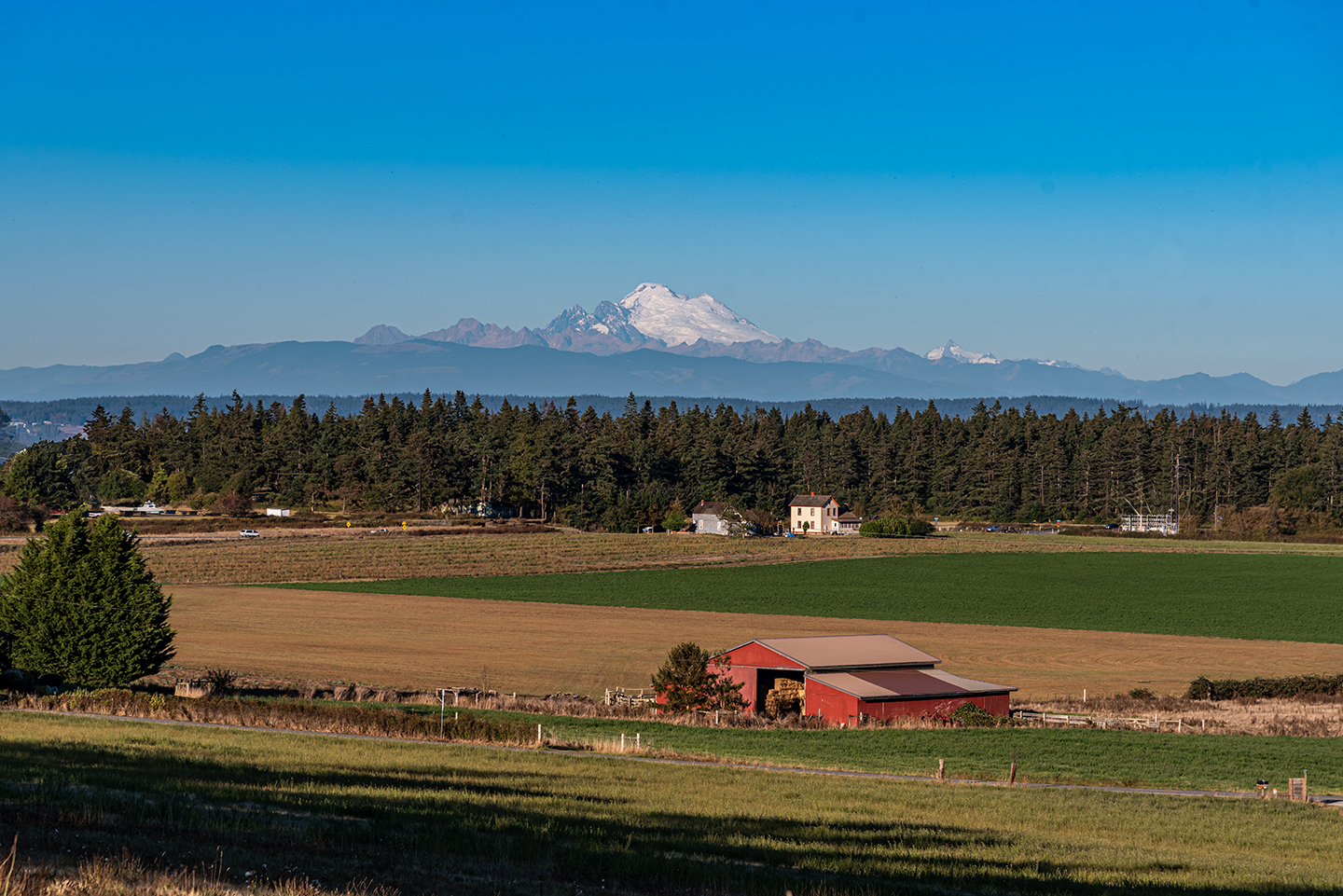
There’s something about Coupeville that just hits differently and to be honest if you know, you know. Just beyond the charming waterfront and historic streets, the farmland near Ebey’s Landing National Historical Reserve quietly steals the show in the most effortless, understated way possible. This isn’t your average scenic stop. It’s 150+ years of living history, where wide-open fields meet coastal prairies and the horizon seems to stretch on forever. The land rolls gently toward the cliffs. It opens to unreal views of the Strait of Juan de Fuca, where cargo ships drift by like moving postcards and the sky feels just a little bit bigger.
Not going anywhere
As part of a national historical reserve, this land is protected. This landscape isn’t going anywhere and that’s exactly the point. The farmland here tells a story of preservation, legacy, and a deep connection to the land that you can absolutely feel when you’re standing in it. It’s peaceful without being boring, quiet without feeling empty, and the kind of place where time slows down in the best way. It is a place you have to experience for yourself.
And locals? They continue to come back here again and again. Whether it’s for morning walks, golden hour drives, impromptu picnics, it’s part of the beauty of living on Whidbey Island. It’s not flashy, it’s not crowded, it’s just real. Once you’ve experienced it, it will stick with you until the end of time.
Living near Ebey’s Landing
Living near Ebey’s Landing isn’t just about owning a home, it’s about being part of something preserved and meaningful. Properties in this area often come with a front-row seat to protected views, historic surroundings, and a level of tranquility that’s hard to replicate. That kind of setting isn’t just beautiful, it’s valuable. The intentional preservation of the land helps maintain the character of the area, which in turn supports long-term property appeal.
Homes here tend to blend seamlessly with the landscape. Think of timeless design, large windows that frame those incredible views, and spaces that invite you to slow down and actually enjoy where you live. It’s less about over-the-top luxury and more about lifestyle. You get to enjoy morning coffee with a view, evening sunsets that never get old, and a connection to nature that feels grounding in a fast-paced world.
A Place to call Home
Whether you’re looking for a full-time residence, a peaceful retreat, or simply a smart investment in a one-of-a-kind location, Coupeville’s farmland near Ebey’s Landing offers something rare: a place that feels both rooted in history and perfectly aligned with the way people want to live today.
It’s the kind of place that doesn’t just feel like home, it redefines what home can be. If your looking for your perfect Whidbey Island home, connect with us and let us make your dream a reality.
Photography by:@cynthiawoernerphotography
Fall in Love with Island Living
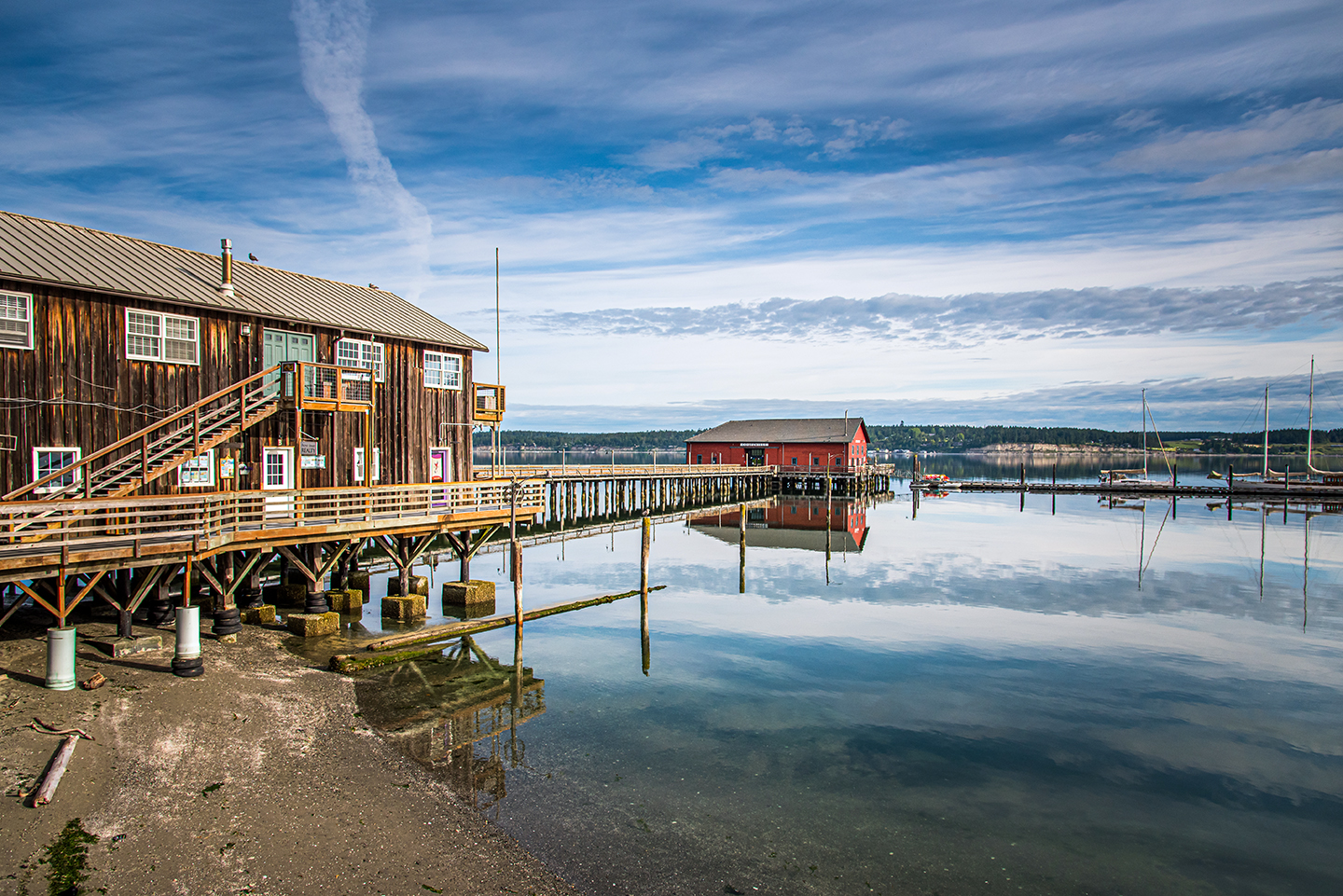
Out here on Whidbey Island people fall in love with island living. Why? Because life slows down in the best way possible! One place where that feeling really comes to life is the Coupeville Wharf! It’s the kind of place where you find yourself lingering a little longer than planned, coffee or ice cream in hand, watching the water like you’ve got nowhere else to be. It honestly feels like time just kind of pauses.
Start your adventure with a wander down the pier. You’ll often pass locals chatting about what fun events are to come. Look out across the water and find boats gently rocking in the water. Finally, if you look over the edge of the wharf, chances are you’ll spot a seal or two curiously popping up to say hello or a starfish down below. It’s simple, peaceful, and exactly why people fall in love with island living.
Then there’s the local shops, fresh seafood, and that salty sea breeze that somehow makes everything taste better, just waiting for you to enjoy. Whether you’re grabbing a quick bite or settling in for a slow afternoon, there’s an easy rhythm here that’s hard to replicate anywhere else.
Now, let’s talk about real beauty, the sunsets! When golden hour hits, the entire waterfront transforms, it’s unlike anything you’ve ever seen. The sky goes full show-off mode. Each layer of pink, orange, and deep blue reflects right off Penn Cove. It’s like a painting you didn’t know you needed. It’s the kind of moment that makes you pause… and maybe start thinking, what would it be like to live here full-time?
That’s the thing about places like the Coupeville Wharf, they don’t just give you a great day out, they give you a glimpse into a lifestyle. In real estate, we always say it’s about more than just the home, it’s about the community, the energy, the everyday experiences that come with it. And this? This is exactly what people are looking for when they dream about living on Whidbey Island.
Walkable waterfront charm, local flare, and views that never get old. Whether you’re visiting for the first time or you’ve been coming for years, the Wharf has a way of making you feel like you belong.
And honestly… that feeling? That’s what turns a place into home. If you are ready to call Whidbey home, connect with us and let us help you turn that dream into a reality.
Photograph by @cynthiawoernerphotography
Whidbey Water Life
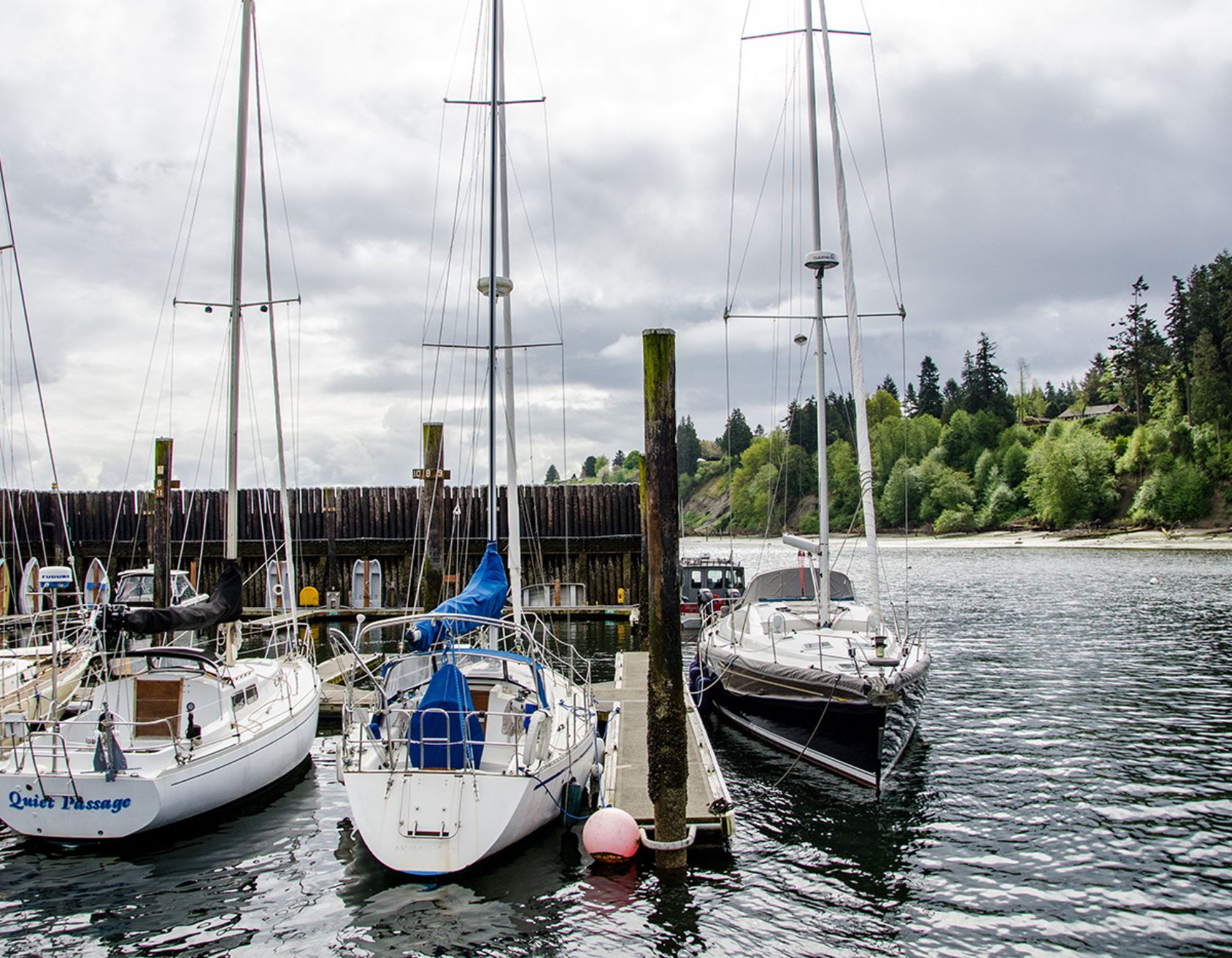
On Whidbey Island, boating isn’t just a hobby, it’s part of everyday life. It’s Whidbey water life. Surrounded by water on all sides, the island offers effortless access to some of the most beautiful and dynamic waterways in the Pacific Northwest. From the calm, protected waters of Penn Cove to the open stretches of Admiralty Inlet and Saratoga Passage, there’s always a reason to head out on the water.
The Marinas
One of the things that makes boating here so enjoyable is how well supported it is. Marinas in Oak Harbor, Coupeville, and Langley serve as community hubs for boaters. The marinas offer things like convenient moorage, fuel docks, guest slips, and winter storage. Whether you’re heading out for a quick afternoon sail or planning a longer cruise through the Sound, everything you need is close by and easy to access.
The Services
Boat ownership on Whidbey also comes with a strong network of trusted marine services. Local professionals handle everything from routine engine maintenance and electrical work to bottom painting, fiberglass repairs, and scheduled haul-outs. With weather and tides that can change quickly, having skilled marine support right on the island makes it easier to keep vessels safe, seaworthy, and ready to go year-round.
The Whidbey Water Life
What we love most is how seamlessly boating fits into island life. One day you might be crabbing or fishing in Penn Cove, the next you’re sailing past beautiful shorelines with the Olympics in the distance. Even in the quieter winter months, there’s comfort in knowing your boat is cared for and waiting for the next calm day on the water.
It’s this connection to the water that defines life on Whidbey Island. It is here that homes, harbors, and horizons all feel linked. Boating here isn’t just something you do; it’s part of what makes this place feel like home. Ready to call Whidbey home? Let’s connect.
Photo By: Cynthia Woerner Photography
Echoes Through Time
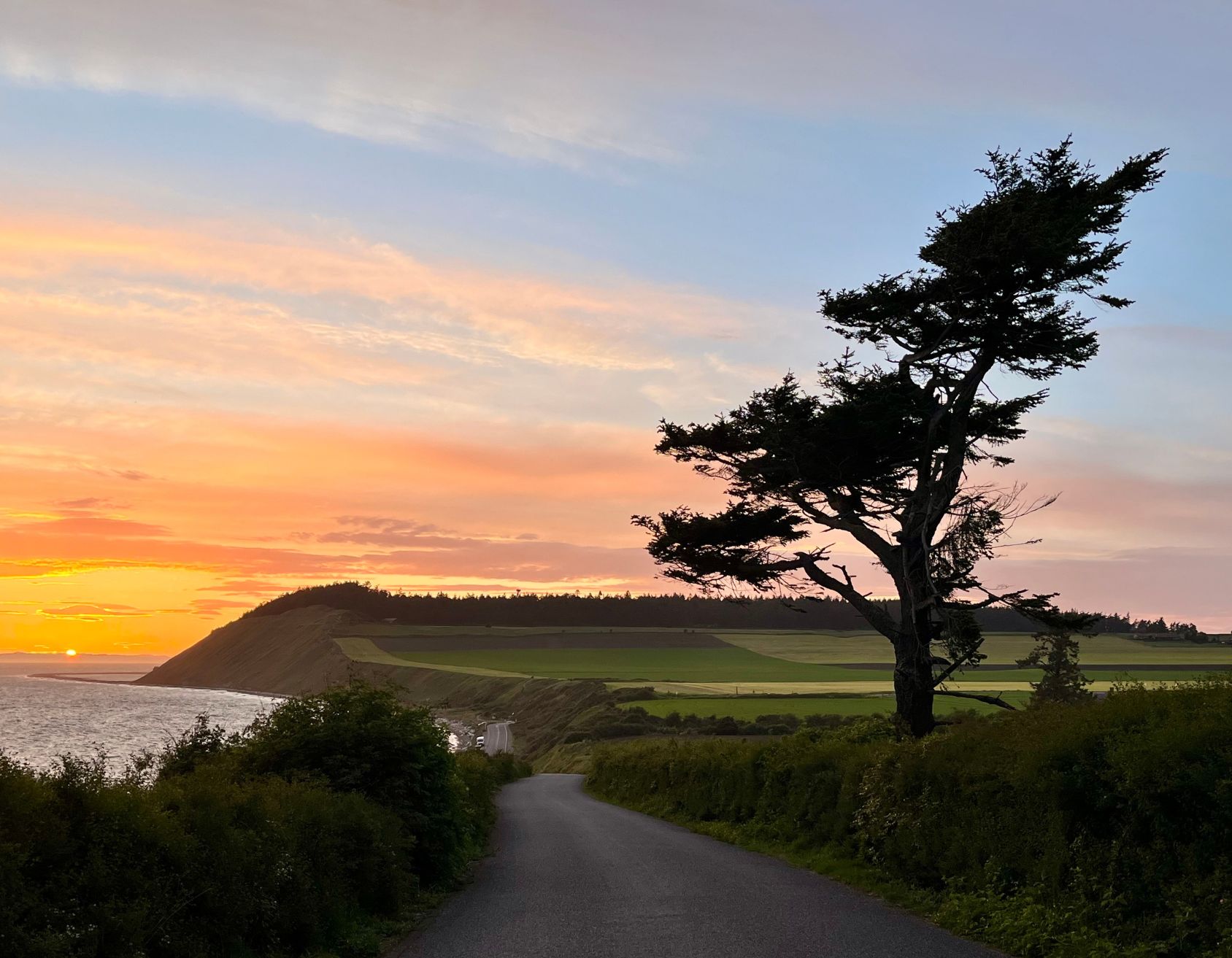
Ebey’s Landing is one of those rare places where history, landscape, and quiet reflection all come together in the most unforgettable way. It is rich with profound history that echoes through time. The landscape marks one of the earliest areas settled by Europeans in Washington State. Telling a story that stretches back to the 1850s, when Colonel Isaac Ebey claimed land overlooking the Salish Sea.
Echoes through time
Today, it’s preserved as part of Ebey’s Landing National Historical Reserve, making it the first of its kind in the country. The reserve was created to protect not just the buildings, but the entire working landscape. When you are standing in its presence, you are not just visiting a park; you are experiencing a living history. It is hard not to feel it.
Personal connection
When asked what she loved most about Ebey’s Landing, Makalia Owens responded:
“I love how untouched it feels. The sweeping bluff trail winds high above the water, offering views of Puget Sound, the Olympic Mountains, and farmland that’s still actively worked much like it was generations ago. It’s easy to imagine early settlers walking these same paths, looking out at the same horizon, and feeling that same mix of hope and humility that comes with carving out a life in a wild, beautiful place.”
Those who have walked the trails of Ebey’s Landing often describe the same feeling, a quiet yet powerful connection to the past, present, and future that resonates deeply within.
The hike
The hike itself is peaceful and grounding with windswept grasses, dramatic cliffs, and the constant sound of waves crashing below. Ebey’s Landing invites you to slow down, take a deep breath, and really notice where you are. Every visit feels a little different depending on the season, the light, and even your mood, but it always leaves the same impression: a deep appreciation for the land and the stories it holds.
Ebey’s Landing isn’t flashy or crowded. It is that peacefulness that makes it unlike anything you’ve ever seen. Reminding us why Whidbey Island is so special. History isn’t tucked behind glass, instead it’s woven into everyday life. It’s a reminder that the most meaningful places are the ones that honor where they’ve been while still welcoming those who wander today. If you would like to adopt this Whidbey lifestyle and make Whidbey home, let’s connect!
Photo By: Nancy Alvarado
Paddling Penn Cove
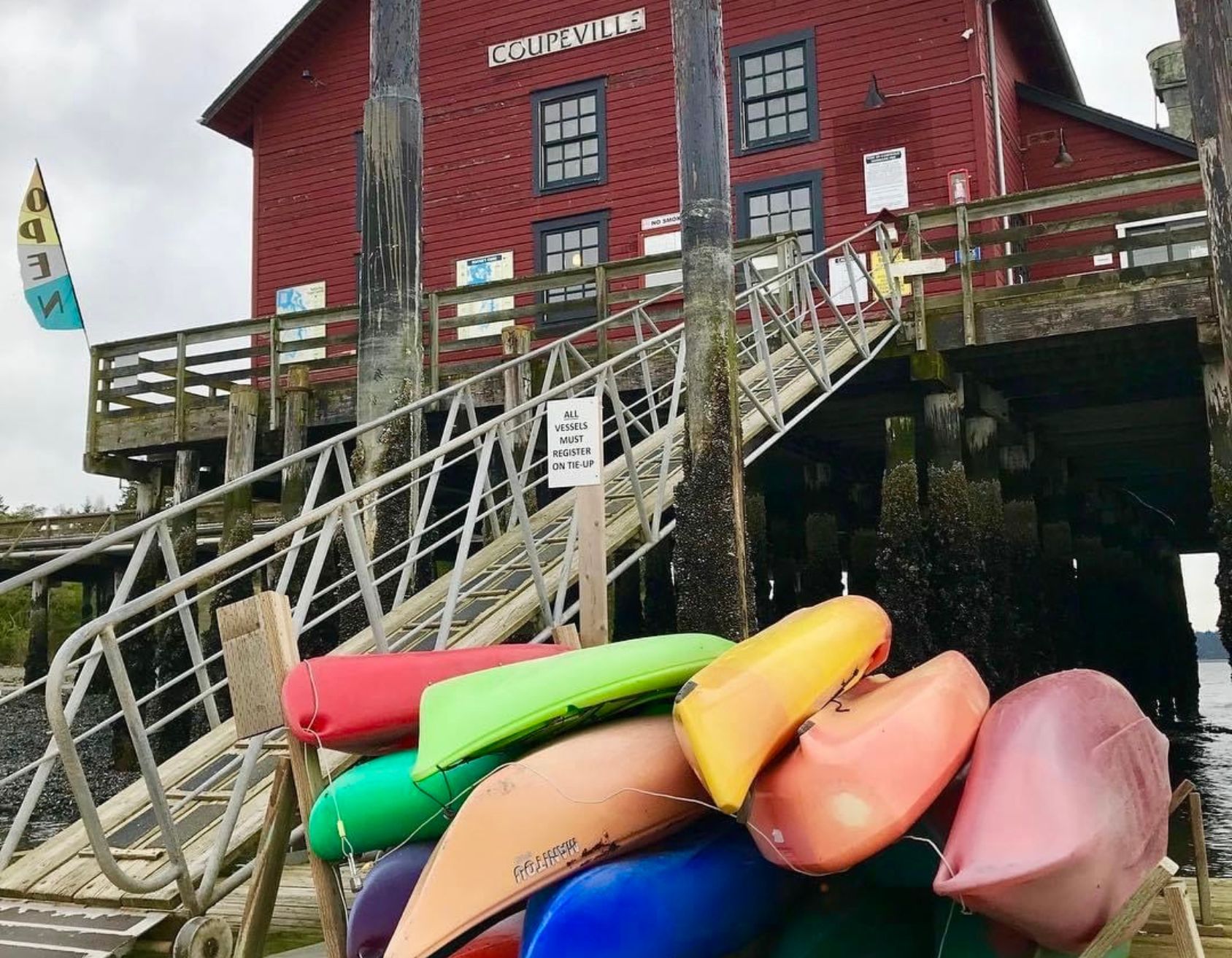
Imagine starting your day paddling Penn Cove with salt-kissed air, sunshine, and a kayak waiting just steps from your front door. On Whidbey Island, that’s not a dream, it’s everyday life for locals and visitors at the historic Coupeville Wharf!
The Wharf
The wharf dates to the early 1900s and once served as a crucial commerce dock for grain and goods. Today, it’s a vibrant community hub with cafés, shops, and lakeside experiences that capture the island’s relaxed rhythm.
On the wharf you’ll find Wharf Dog Paddle, a locally loved canoe and kayak rental outfitter that lets you trade your shoes for a paddle! Rentals are typically available during daytime hours (often mid-morning through late afternoon). Whether you’re planning a quick paddle or a longer exploration of the cove Wharf Dog Paddle makes it easy to slip onto the water.
Paddling Penn Cove
As you float into Penn Cove, the real magic happens! Seals often pop up to investigate, seabirds wheel overhead, and the water seems to invite you to slow down and take it all in. It’s one of those quintessential Whidbey moments where nature and lifestyle meet.
Life on Whidbey
Living on Whidbey doesn’t just mean owning a home. It means living where your favorite weekend adventures are part of your backyard. Whether it’s spontaneous paddling at sunset, strolling down the wharf for coffee, or popping into town for lunch afterward, this corner of Coupeville captures the best of island life: peaceful, playful, and filled with simple joys that never get old.
In this community, life isn’t measured in square footage alone, but in memories made on the water, just steps from your front door. However, if you have visited our lovely island and are dreaming of calling Whidbey home, connect with us! We can help.
Photo By: Nancy Alvarado
The Colonel’s House
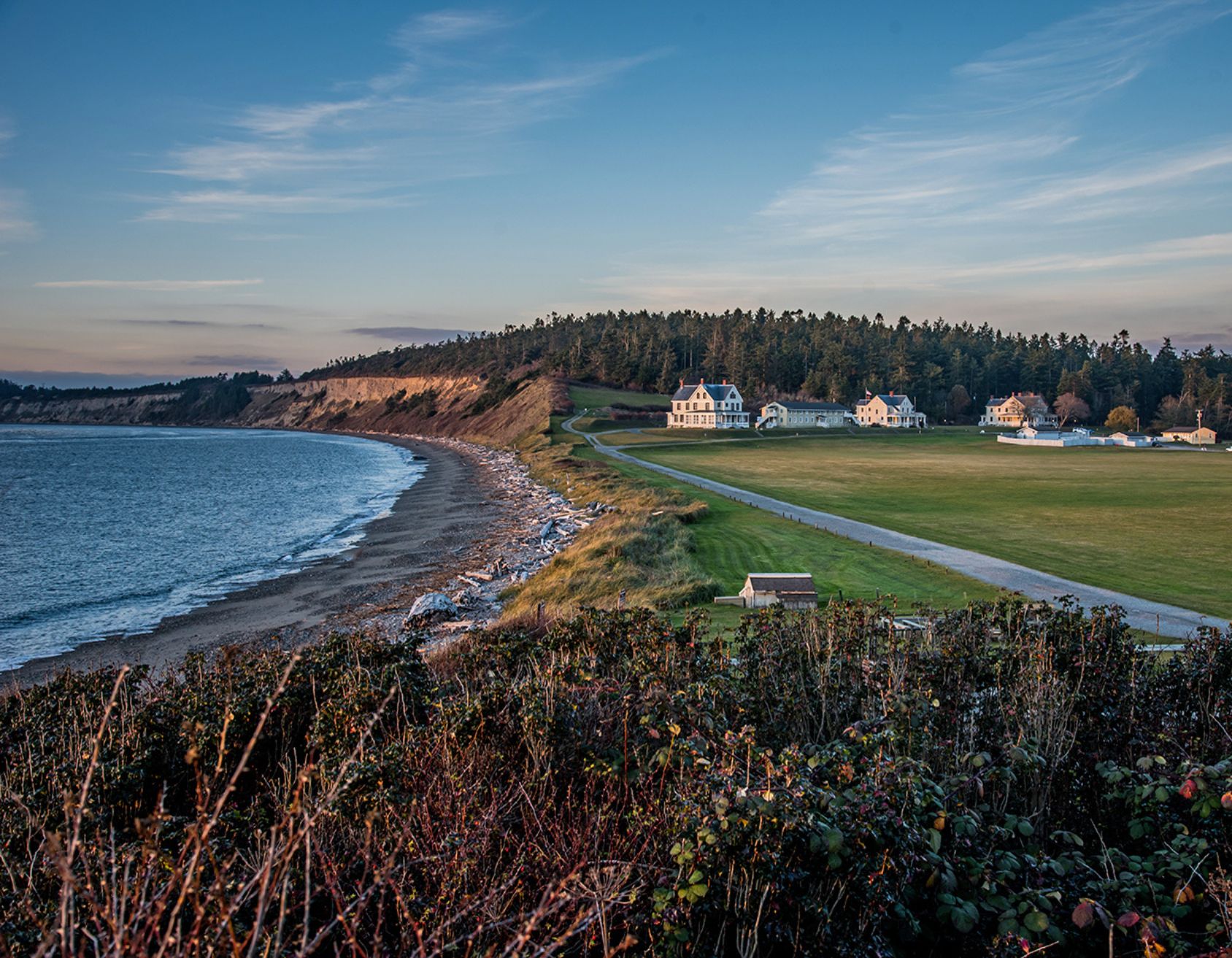
In a word, The Colonel’s House is imposing. Not in a scary way, but in a “yes sir, right away sir” kind of way. Once the commanding officer’s quarters at Fort Casey, this grand 1904 home stands with the quiet authority of a place that’s seen things yet still manages to keep its porch pristine.
The Colonel’s House Today
These days, the Colonel’s House has traded its military roots for a softer kind of mission. Today, it is part of Seattle Pacific University’s Camp Casey Conference Center. The Colonel’s House hosts families, couples, and groups looking to reconnect and recharge. The home blends historical elegance with modern comfort. Much of the original charm remains, from creaky stairs to the sun porch that guests never want to leave. But don’t worry, the kitchen’s fully updated for all your pancake-flipping needs.
From its perch above the old parade grounds, the view is nothing short of breathtaking. You can see straight across Admiralty Inlet, where the Strait of Juan de Fuca meets Puget Sound. It’s the kind of view that makes you stop, breathe a little deeper, and wonder how you got so lucky to be standing there. If you’re quiet, you might just hear echoes of the past carried on the breeze.
Outside Adventure Calls
Beach strolls, forest trails, whale sightings, bald eagles, and sunsets that stop you in your tracks are all part of the experience at The Colonel’s House. While you’re visiting, be sure to explore the nearby town of Coupeville. You can spend your day taking beautiful pictures at the Wharf, grabbing a bite at Toby’s Tavern (famous for its mussels), enjoying fresh pastries at Little Red Hen Bakery, or shopping for handmade goods at Kingfisher Bookstore and Lavender Wind. It’s small-town charm at its finest. Better yet, it’s all just minutes away.
Whether you’re here for the history, the view, or just some well-earned rest, the Colonel’s House has a way of making you feel like you belong, right in the heart of its story.
Ready to call Whidbey home? Let’s Connect!
Photo By: Cynthia Woerner Photography
The Ferry House at Ebey’s Landing
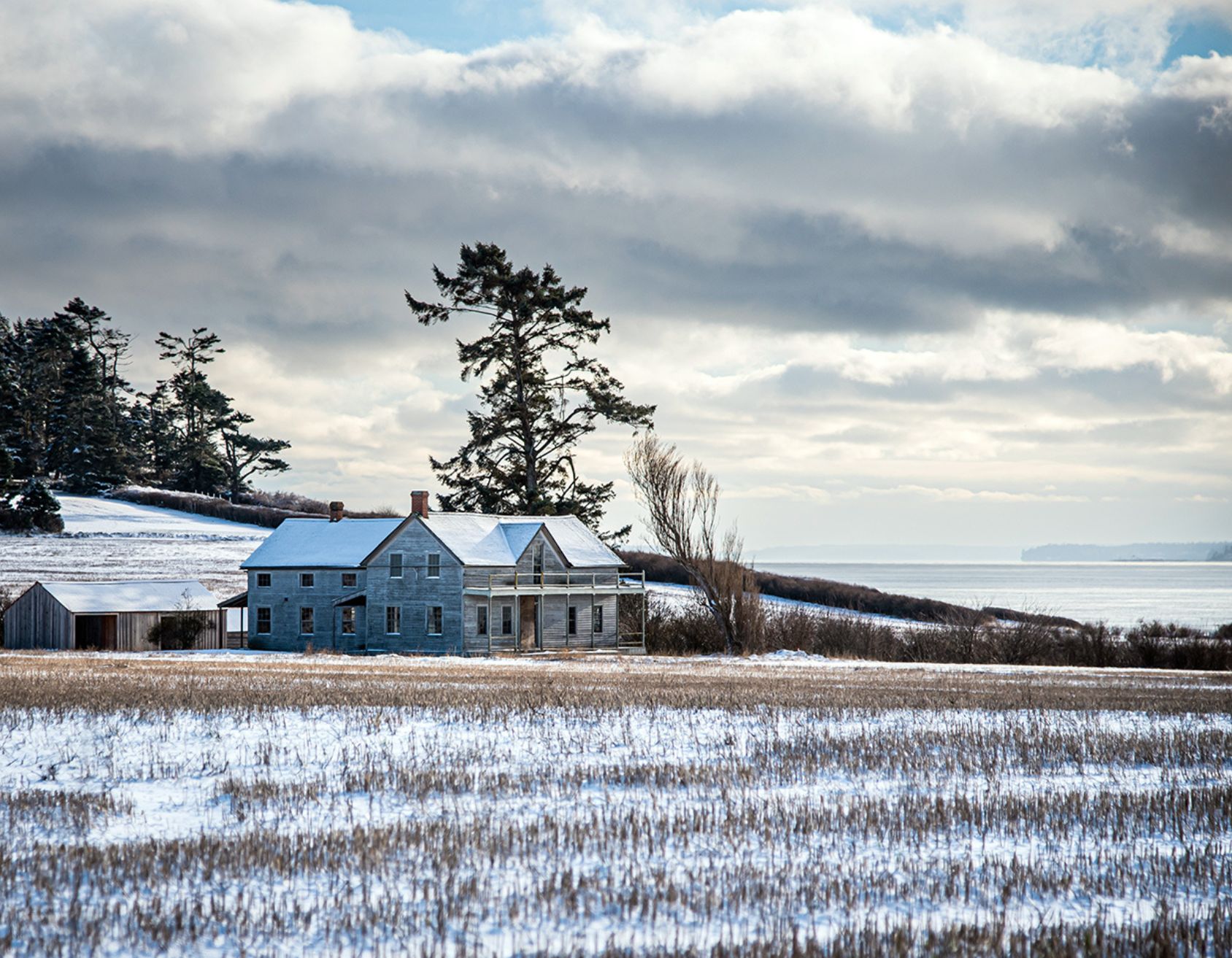
If Whidbey Island had a heartbeat, it would echo across the open prairie at Ebey’s Landing. Few places capture that steady rhythm quite like the Ferry House. This enduring landmark reflects the island’s history, character, and quiet sense of place. Whidbey’s story lives on through the Ferry House at Ebey’s Landing.
The Ferry House at Ebey’s Landing History
Built in the early 1860s atop the Ebey family’s original 640-acre land claim, the Ferry House sits high above Puget Sound, overlooking Ebey Prairie and the waters that have long connected Whidbey Island to the mainland. Long before “water views” or “heritage homes” became real estate buzzwords, this home served a practical and welcoming purpose. Travelers arriving by boat found warmth, rest, and a sense of arrival here. It was the first impression of Whidbey that was as gracious then, as it feels today.
The Ferry House at Ebey’s Landing Today
What makes the Ferry House especially compelling is how beautifully intact it remains. The home stands not only as a preserved structure, but as a living reminder that some properties are more than addresses. They are storytellers! They have borne witness to generations of change while remaining deeply rooted in their surroundings. In a world where newness often takes center stage, the Ferry House represents the enduring value of authenticity.
Magic of The Ferry House at Ebey’s Landing
In winter, the property takes on an added layer of magic. A light snowfall softens the prairie grasses, the roofline gathers a quiet dusting of white, and ferries move almost silently across the sound below. It’s peaceful and grounding, a scene that feels both cinematic and deeply familiar. Moments like this capture what so many are seeking today: calm, connection, and a lifestyle that elevates everyday life.
The Community
This is the essence of Ebey’s Landing and the surrounding communities. Protected open space, unobstructed views, and a commitment to preservation define the landscape. Here, history isn’t confined to just commemoration plaques or museums, it’s woven into daily life. Morning walks trace the same paths settlers once traveled. Seasonal changes unfold across the same horizons that have framed the island for more than a century.
Homes near Ebey’s Landing offer something increasingly rare. Beyond square footage, finishes, or amenities, they provide a connection…to the land, to the water, and to a story that continues to evolve. Living here means sharing space with history while enjoying the comforts and rhythms of modern island life.
In that sense, the true luxury of Whidbey Island isn’t found in excess, but in meaning. It’s found in places like the Ferry House, where past and present coexist, and where home is defined not just by walls and views, but by the life that unfolds around them.
If you have experienced the magic of the Ferry House at Ebey’s Landing and wish to make a move to Whidbey to enjoy the experience all year long, lets connect!
Photo taken by: Cynthia Woerner Photography
Real Estate Ranking in Puget Sound

The Puget Sound Business Journal released real estate rankings that truly made us proud to be part of Windermere (check them out here). Windermere has been a long standing leader of market leadership in the Puget Sound area and this report confirms that has not changed. The report claims Windermere Puget Sound did $21.32 billion in residential sales volume in 2024, surpassing the closest competitor by nearly a threefold. The report demonstrates how Windermere Real Estate continues to assert its position as the foremost residential real estate firm in the Puget Sound region.
The history:
The Puget Sound Business Journal inaugurated its list of top residential real estate companies in 1986. Windermere has maintained the No. 1 ranking every single year. This nearly four-decade tenure spotlights not only Windermere’s market share but its sustained organizational resilience, strategic adaptability, and strong community presence. We are proud to be a part of the success.
Factor of Success:
Several factors contribute to Windermere’s enduring success. First, its expansive network across the Pacific Northwest supports unparalleled market coverage and client reach. Second, the emphasis on agent education, technological integration, and customer-centered service has strengthened its professional reputation and operational efficiency. Finally, Windermere’s deep-rooted commitment to community engagement. The Windermere Foundation, funded in part by a portion of every home sold sets Windermere apart as both a market leader and a socially responsible organization. As Windermere offices and agents in the Puget Sound, we couldn’t be more proud.
Here is a snip-it into what our Oak Harbor and Coupeville offices have been doing in our communities recently:




What it all means:
Windermere’s continued ability to maintain leadership at such scale suggests a robust alignment between regional market demands and Windermere’s business model. Housing markets across the Puget Sound area evolve in response to demographic shifts, economic pressures, and ongoing development patterns. Windermere’s legacy of leadership positions it uniquely to shape the future trajectory of real estate services in the region.
In sum, Windermere’s top ranking is not merely a reflection of annual sales. Windermere’s top ranking is a testament to nearly forty years of consistent excellence, strategic foresight, and unwavering commitment to all of the communities served. We are grateful for your continued trust in our services and look forward to continuing to serve you for years to come.
If you are looking to making a move in your future please reach out. We would love to help you. If you wish to have a copy of this document mailed or emailed to you please email us at whidbeycommunications@windermere.com.
Bunkers Overlook – A Legacy
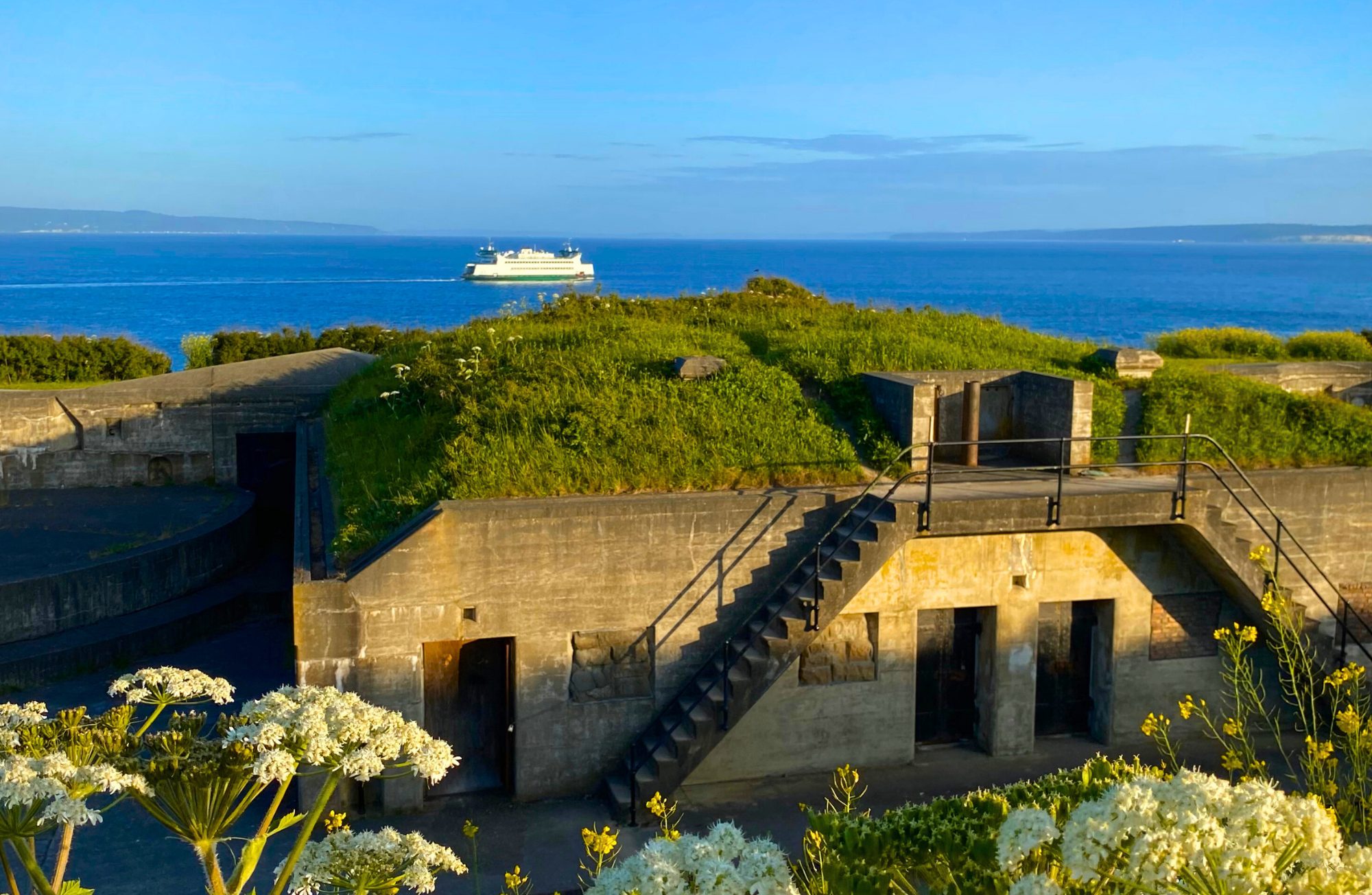
The Fort Casey bunkers located in Coupeville sit perched atop the cliffs overlooking Admiralty Inlet. They stand as silent sentinels of the past, remnants of a bygone era when coastal defense was paramount. These imposing structures were originally built during World War I for coastal defense. They were designed to house artillery and troops and served as a strategic vantage point to protect the Puget Sound & PNW coast. Today, they offer a unique historical attraction for visitors. As you explore the bunkers, you may also catch a glimpse of Washington State Ferries gliding gracefully through the shimmering waters of Puget Sound, a reminder of the region’s maritime legacy and its enduring connection to the sea.
Photo taken by: @PNWBirdie
Check out the rest of Whidbey’s beautiful destinations from this series here.

Why Are There Tsunami Signs on Whidbey Island?
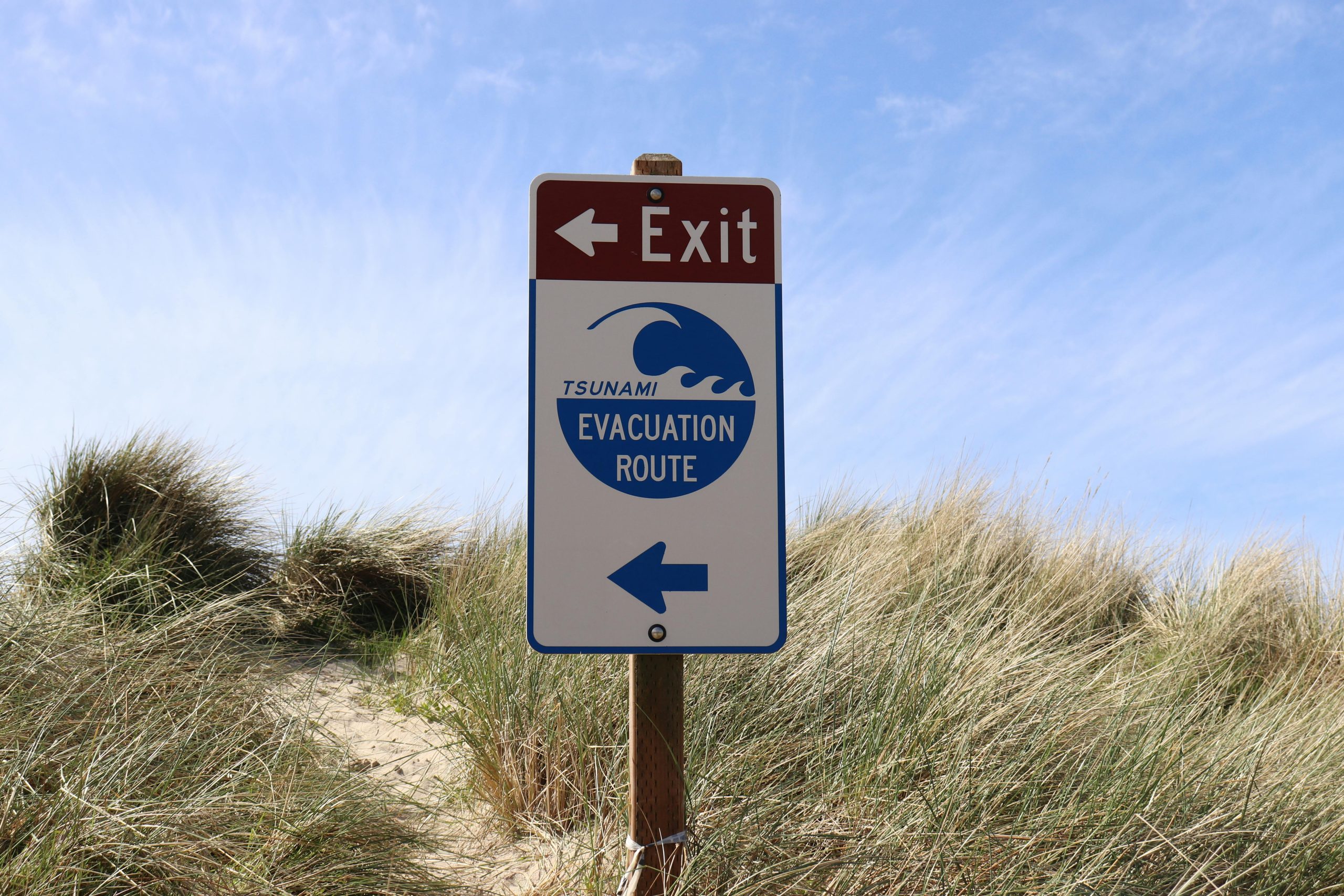
If you have spent any time on Whidbey Island, it is likely that you have noticed the tsunami evacuation signs posted along roads and beaches. These signs may raise questions for newcomers or visitors. Why does an island surrounded by serene waters have tsunami warnings? The answer lies in the region’s unique geography and seismic activity.
The Risk of Tsunamis on Whidbey Island
Whidbey Island is located in part of the geologically active area known as the Cascadia Subduction Zone. Roughly 600-miles of fault line runs from Northern California to British Columbia, where the Juan de Fuca tectonic plate meets the North American tectonic plate. When these plates shift or collide, they can trigger large earthquakes — and in some cases, tsunamis.
Tsunamis are massive ocean waves typically caused by undersea earthquakes or volcanic activity. While Whidbey Island is somewhat sheltered by its location in Puget Sound, a major earthquake along the Cascadia fault or from another undersea event could generate a tsunami that impacts the island’s coastal areas.
Why Are There Evacuation Routes?
The tsunami evacuation signs posted throughout Whidbey Island are part of a broader safety plan to help residents and visitors reach higher ground quickly in the event of a tsunami warning. Coastal towns like Langley, Coupeville, and Oak Harbor have low-lying areas that could be vulnerable to flooding if a tsunami were to occur.
The signs are strategically placed to direct people away from beaches, marinas, and waterfront areas toward safer locations on higher ground. Being aware of these routes and having a plan in case of an emergency is an important part of living in a coastal region. Island County does a great job of providing tsunami information including a high ground map that you can visit by clicking here.
How Likely Is a Tsunami on Whidbey Island?
The likelihood of a large tsunami hitting Whidbey Island is low, but not impossible. Scientists and geologists monitor the Cascadia Subduction Zone closely, and while large earthquakes are rare, they have occurred in the past. The most notable event was the 1700 Cascadia Earthquake, which triggered a tsunami that impacted coastal communities from Washington to Japan. You can read more about what that looked like on January 15, 2022 by clicking here.
While Whidbey Island may not face the same tsunami threats as coastal communities on the open ocean, it is still vulnerable to localized tsunamis caused by underwater landslides, known as “submarine landslides.” These could result from large earthquakes or other geological shifts in Puget Sound.
What Should You Do in the Event of a Tsunami Warning?
In the rare event of a tsunami warning on Whidbey Island, the most important thing to do is move to higher ground immediately. Familiarize yourself with the evacuation routes marked by the tsunami signs, and always follow guidance from local authorities and emergency services.
Here are a few tips to stay safe:
· If you feel strong shaking from an earthquake, don’t wait for an official warning — head to higher ground immediately.
· Know your evacuation routes and have a family emergency plan in place.
· Stay informed by signing up for local emergency alerts and having a battery-powered radio on hand.
Preparedness Brings Peace of Mind
While the thought of a tsunami can be unsettling, it is most important to remember that Whidbey Island’s local authorities and emergency response teams are well-prepared. The presence of tsunami signs and evacuation routes are simply a proactive measure to ensure everyone’s safety.
By staying informed and knowing what to do in an emergency, you can enjoy everything Whidbey Island has to offer with peace of mind. After all, living on this beautiful island means being prepared — and being part of a community that looks out for one another. Connect with us.
